What Lively was and why it mattered.
Intergenerational care is a time-honoured practice with the potential for personal and collective change.
Lively was founded in 2015 in response to a landscape of complex challenges facing the young and the old across Australia.
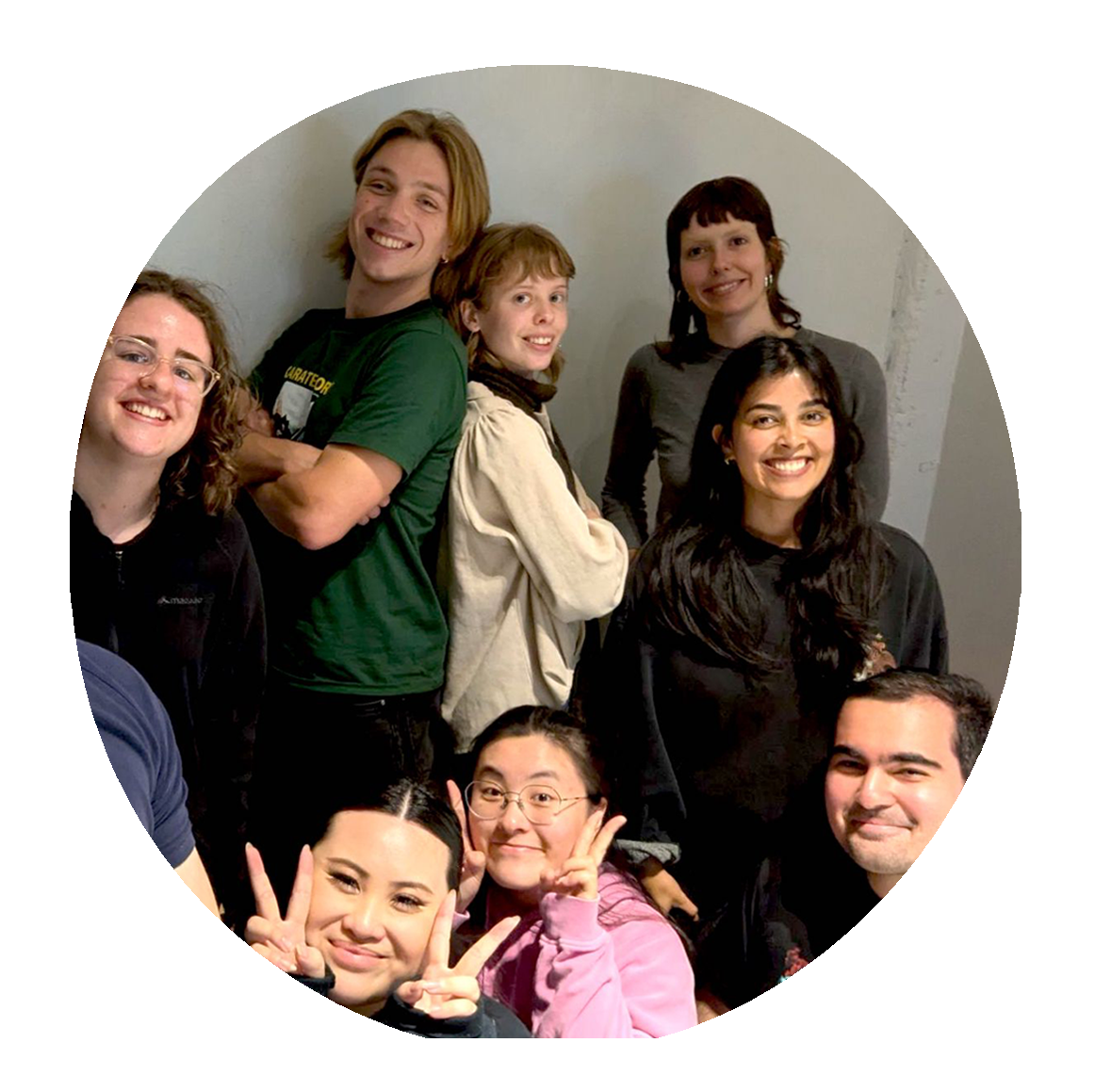
For young people
Lively saw the difficulty of accessing meaningful employment. It also saw the need to help young people find a sense of contribution and purpose in community, to build confidence and self-belief, and to access elder mentors and guides during a turbulent phase of life.
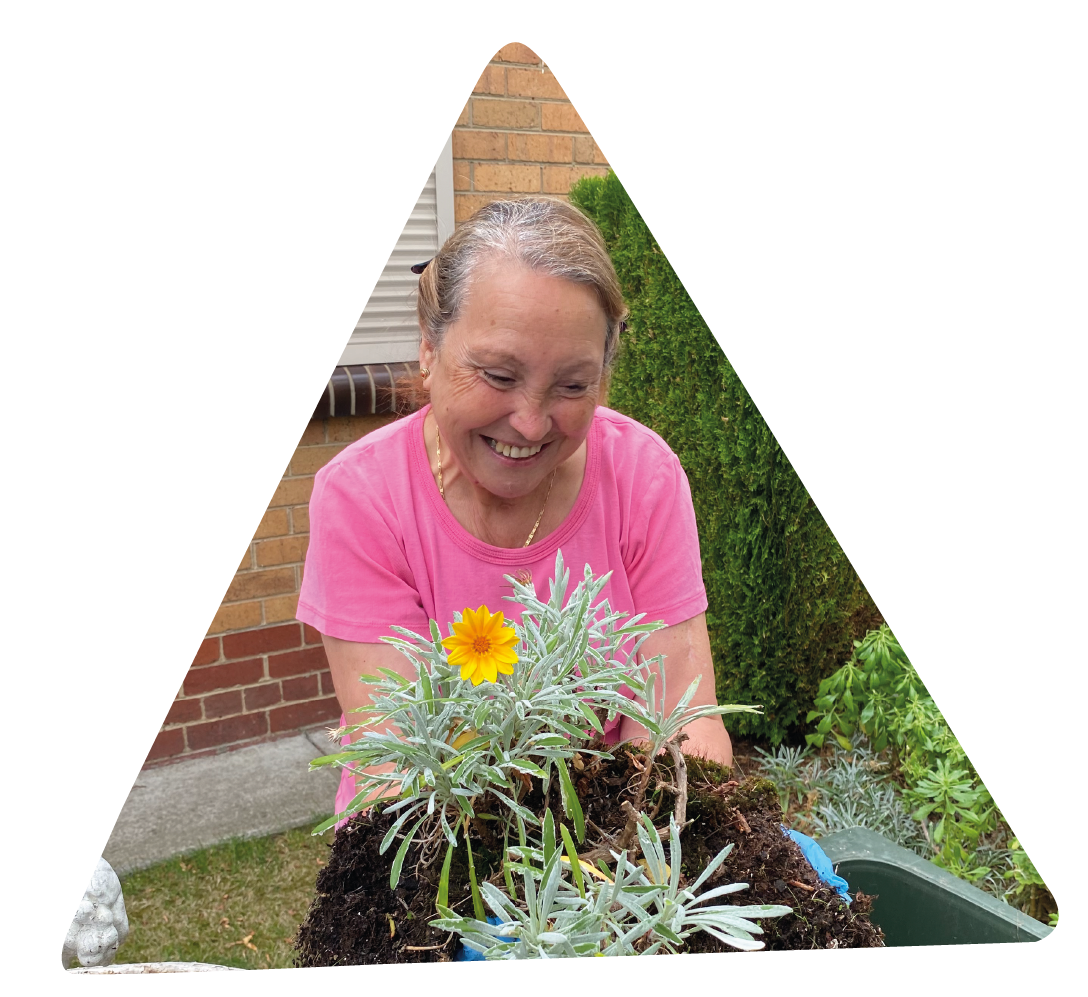
For older people
Lively saw the prevalence of loneliness and social isolation. It saw a care system that prioritised clinical tasks and household support over connection, contribution and meaning. It saw experiences of invisibility - and too few opportunities to connect with younger generations, share life experience, and play a valued social role.

For society as a whole
Lively saw growing strain on formal care systems, and the need for new ways to expand the “workforce” supporting an ageing population. It also saw the prevalence of ageism - fostered by disconnection and division across generations - and the weakening of social fabric and community resilience.

1 in 5
older people experiences social isolation

23%
of young Australians are unemployed or underemployed

110,000
additional direct aged-care workers are needed by 2030 to meet demand
In the face of this complexity, the concept of Lively was simple: employ young jobseekers to support the wellbeing of older community members, while building a meaningful relationship.
Lively recruited young adults (aged 18–25) with minimal or no prior experience or qualifications, provided in-house training and mentorship, and employed them to offer in-home and community-based support to older people. The focus was not just on tasks, but on cultivating relationships of trust and mutual learning.
This program promised to offer multiple benefits:
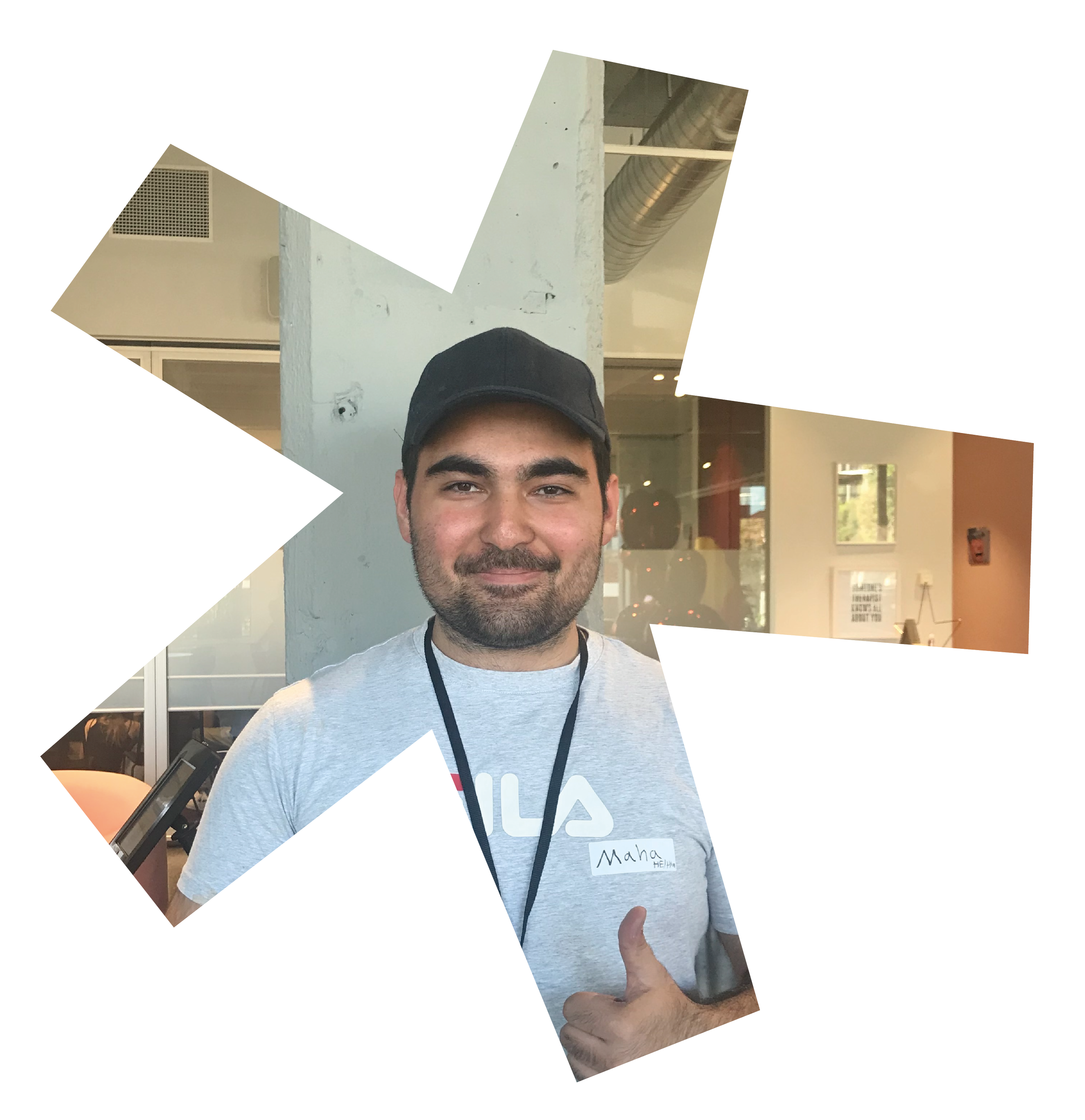
Provide meaningful, future-proof employment for young people
There are few entry-level roles that allow young people to make a tangible, positive contribution to society. Lively sought to open the door to employment that young people could not only be paid for, but proud of.
It saw the potential for aged care work to become as mainstream an employment pathway for young people as retail or hospitality are today, and for these entry-level roles to act as stepping stones into rewarding long-term careers in a sector with growing demand and low vulnerability to automation.

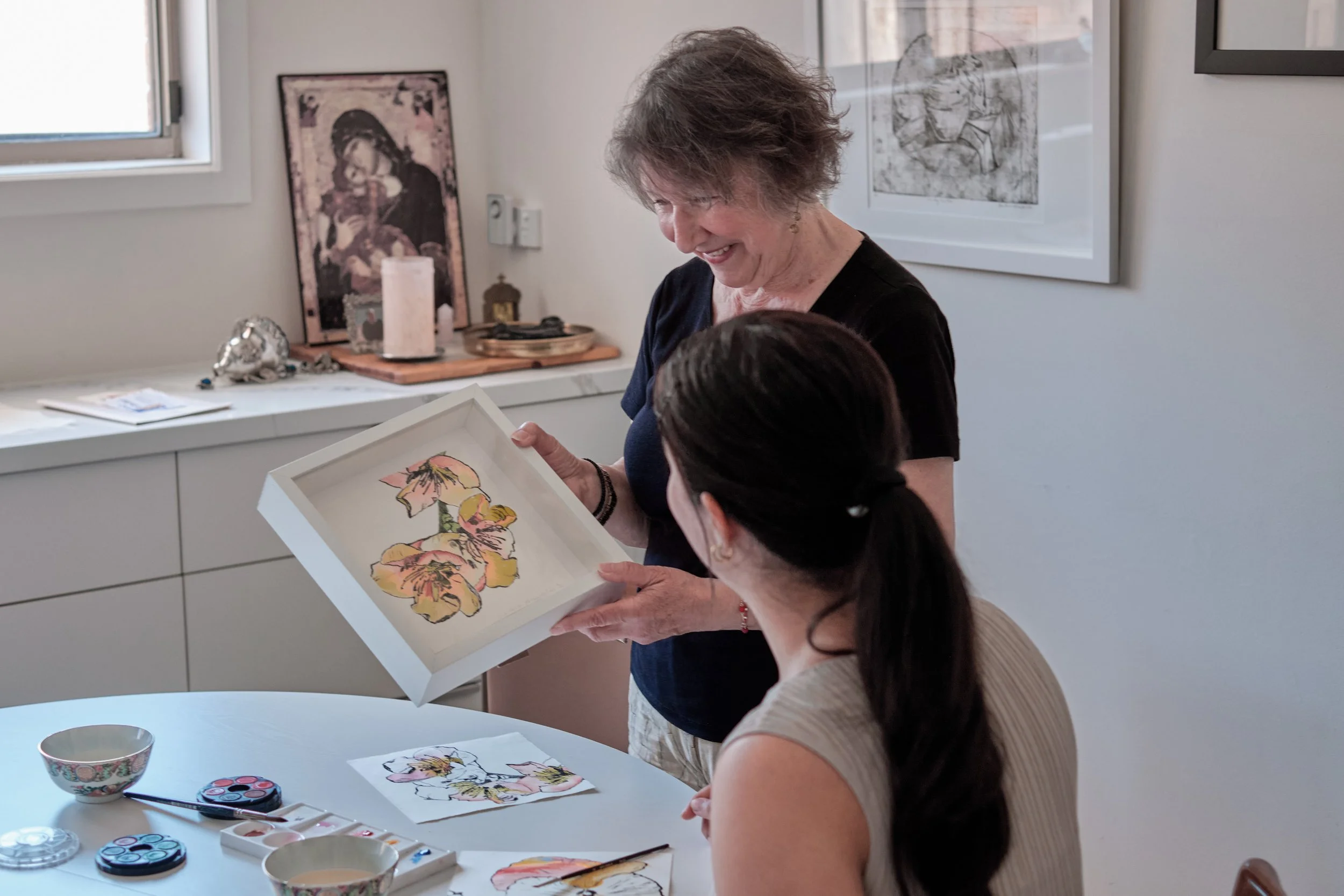
Improve older people’s sense of value, meaning and connection – bringing physical health along for the ride
Lively recognised the gap in how our systems prioritise social and emotional wellbeing in later life. Rather than treating older people primarily as service recipients, Lively imagined mutual relationships in which older people continued to contribute, feel valued, and pursue the things that bring them joy and meaning.
Research shows that loneliness and lack of purpose can have health impacts comparable to smoking or obesity. Lively’s model sought to address this gap directly.

Increase care capacity for an ageing population
The aged care sector has long struggled to attract young people into its workforce, even as the need for care grows more urgent.
Lively did not attempt to slot young people into the existing workforce model. Instead, it co-designed an entry point that felt appealing, appropriate and rewarding for those just beginning their working lives. By creating a more attractive on-ramp, Lively aimed to engage young people in long-term care careers they might never otherwise have considered.
Combat ageism
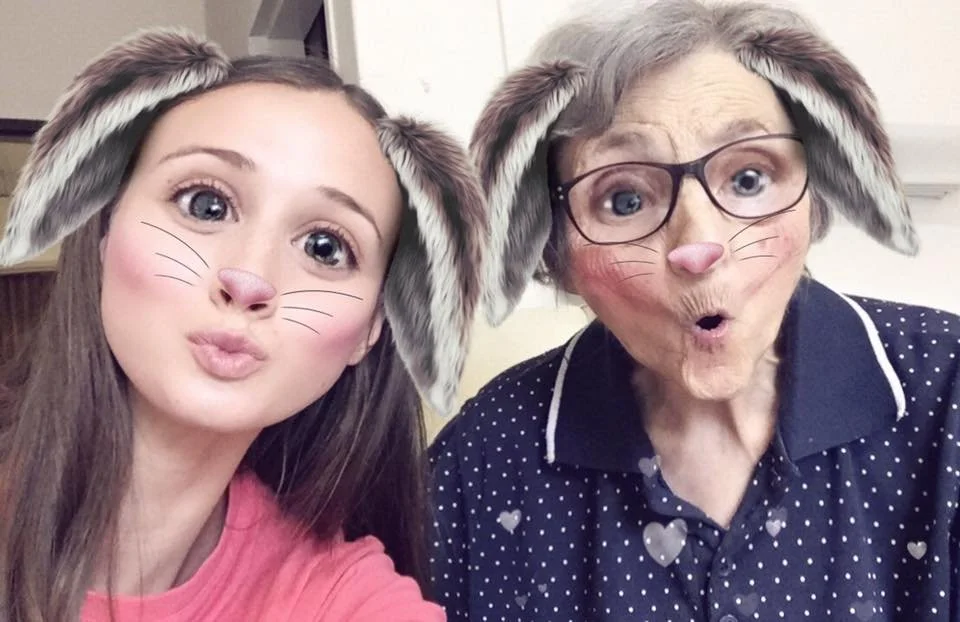
Research consistently demonstrates that intergenerational relationships are among the most effective ways to reduce ageist attitudes and discrimination.
By leveraging two practical, daily needs - employment for the young and care for older people - Lively brought generations into contact in ways that would not otherwise have occurred. A ‘Trojan horse’ approach to attitudinal change – forging contact, building relationships, and shifting culture through the process.


Strengthen social fabric and community resilience
Lively believed that both young and older people are diminished when disconnected from one another.
As many non-Western cultures—including Australia’s First Nations communities—continue to demonstrate, societies are stronger and more resilient when relationships of exchange, learning and support span generations. When youth learn from elders. When experience is valued.
By reweaving these time-honoured roles across life stages, Lively sought to strengthen communities for the challenges ahead.
Over 10 years, Lively saw so many of these aspirations realised in the experiences and feedback of the young and older people who took part.
Persistent systemic barriers ultimately made it impossible to sustain the model in the time and context in which Lively was operating. But the team never stopped believing that supporting older people to live well should—and could—be a mainstream experience for young people across the country.
Those who experienced Lively know how much this idea had to offer, and still does.
We invite you to help it live on.
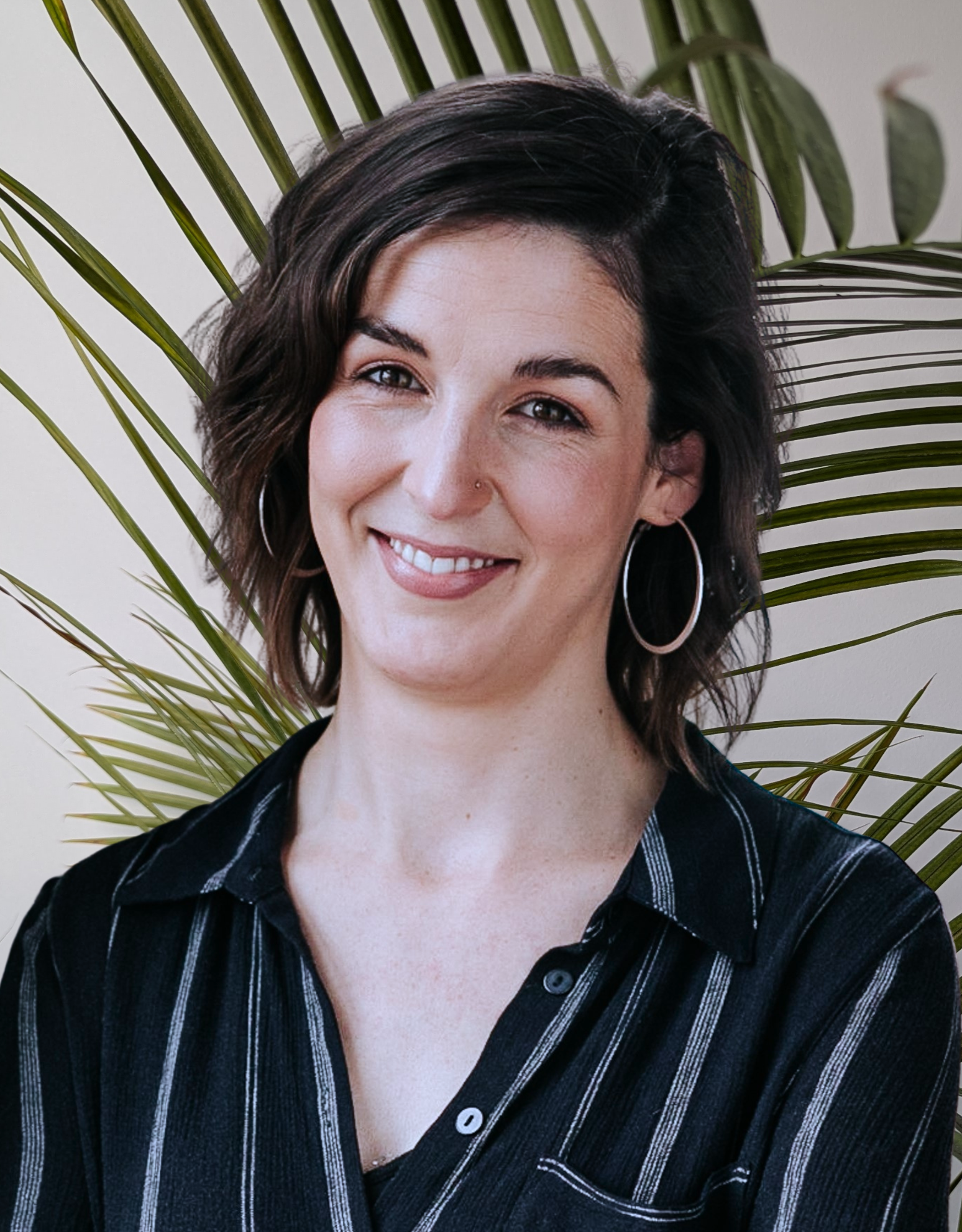
The Team
-
Founder
-

CEO
-

COO
-

Partnerships Manager
-

Digital Communications
-

In-Home Coordinator
-

Community Tech Coordinator
-

Training and Helper Coordinator
-

Helper Coordinator
Past team members: Iliana Contos, John Beckwith, Libby Coviello, Eva Guss, Annie Gallon, Eugene Healey, Ruby Brown, Isabela Miranda, Jess Sullivan, Sally Zou.
Board


Past board members: Rebecca Cain, Cate Keane, Andrew Staniford, Michelle Taylor, Howard Morey, Marie Baird, Olivia Whitty, Kathleen Brasher.
Backers





Featured in